How thick should a concrete patio be?
Most residential patios are poured about four inches thick on a compacted base. Heavy loads, such as a hot tub or large grill station, may need more. Ask the provider what they recommend for your soil.
Concrete driveways and patios in the Apopka area
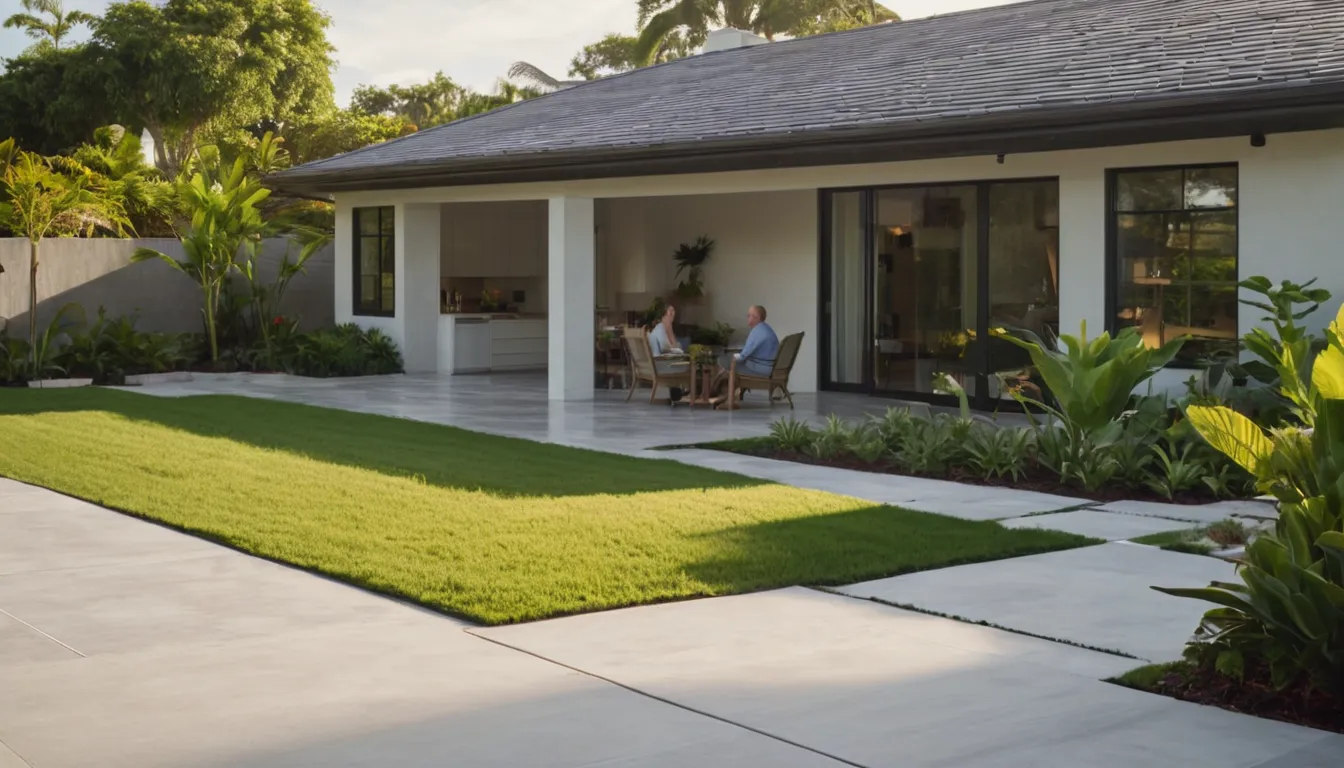
A concrete patio is flat, firm and easy to live on. It gives you a place for chairs, a grill and a table that does not shift in the rain. Planning matters, though. Size, finish, slope and the ground under it all shape how the patio looks and how long it lasts.
Lowestscale Concrete is a referral service. It does not pour concrete. It sorts your project into simple steps, then connects you with an independent local provider in the Apopka area. Older homes get extra attention here, since aging slabs, past patches and hidden surprises can change the plan. Request an estimate to start.
Here is the plan in one line: pick a size, pick a finish, check drainage, then request an estimate. Work through the steps in order. First, look closely at the spot where the patio will go. Most surprises show up before the pour, not after.
Concrete handles heat, heavy rain and constant moisture well. It does not rot or attract termites. Summer storms rinse it clean. A well-built slab also suits concrete flatwork around block homes, which is common in this region.
Walk the yard after a hard rain. Note where water pools. Note where the ground feels soft. Mark any trees, roots, pipes, pool equipment or irrigation lines near the planned spot.
Take a few photos. They help a provider give a more accurate estimate.
Older houses often hide things. Look for these:
If an old pad is cracked, ask whether it should come out or stay. Some providers also handle concrete driveway repair, so mention it if the same visit could cover both.
Size the patio around furniture, not guesses. Lay chairs and a table on the lawn and see how it feels.
Leave room to pull chairs back. Add a few extra feet if you want a walkway to the door.
The finish changes the look, the grip and the price. Choose it next, before the estimate.
A broom finish gives good grip when wet. A smooth trowel finish looks clean but can feel slick in rain. Exposed aggregate shows small stones and hides dirt well.
Stamped concrete patios use patterns and color to mimic stone, brick or wood. They cost more than plain slabs. Ask the provider about sealing, since stamped surfaces need resealing over time.
Water should move away from the house. A patio normally slopes about one quarter inch per foot away from the wall. With almost daily storms, this detail matters more than the finish.
Ask the provider how water will leave the slab. Ask where downspouts will discharge.
Sometimes the patio is not the first job. Stop and get a professional look if you see:
Foundation repair experts can check the house first. Pour the patio after that, not before.
Providers in our network are independent. Each one sets its own price, schedule and terms. Use this short list:
Get the answers in a written quote. Compare more than one if you can.
Hurricane season runs June to November. Daily storms can also delay a pour. Concrete needs dry hours to set well. Ask the provider how weather delays are handled and how the schedule may shift.
Request a callback to check provider availability for your area.
Here is the order of events:
1. You send the project details. 2. Lowestscale Concrete matches you with a local provider. 3. The provider reviews the site and gives a quote. 4. You decide if it fits. There is no obligation.
Lowestscale Concrete does not do the work. The provider handles the pour and the terms.
New concrete needs a few days to cure before heavy use. Follow the provider's advice on timing. Keep furniture off at first and keep sprinklers pointed away.
Seal the surface when the provider says it is ready. Wash it with mild soap and water. Reseal on the schedule the provider suggests.
Spot it early. Small signs are easy to fix and costly to ignore:
Take a photo, note the date and ask the provider about it.
You now have a checklist. Share your size, finish and site notes, and ask for an estimate. The rest follows in order.
The provider looks at slope, soil, roots and any old slab before suggesting a plan.
The ground is leveled, compacted and framed so the slab sits on a firm, even base.
Concrete is placed, smoothed and textured, with joints cut to control future cracking.
The slab cures before use, and a sealer may be applied.
These are typical U.S. ranges, not quotes. Real prices depend on size, finish, access, soil and old-slab removal. Always ask for a written quote from the provider before work begins.
| Item | Typical range | Notes |
|---|---|---|
| Plain broom-finish patio | $6 – $12 per sq ft | Basic option; price rises with size |
| Colored or exposed aggregate | $9 – $18 per sq ft | Adds color or texture |
| Stamped concrete patio | $12 – $25 per sq ft | Pattern and color add labor |
| Old slab removal | $2 – $6 per sq ft | Needed if the existing pad is failing |
| Grading and base work | $1 – $4 per sq ft | Higher on soft or sloped ground |
| Sealer | $1 – $3 per sq ft | Often repeated every few years |
Share the patio size, finish idea and any photos of the space and old slab.
Lowestscale Concrete connects you with an independent provider serving the Apopka area.
Check the scope, base, joints, finish and sealing plan before agreeing.
Confirm timing with the provider, allowing for storms and curing days.
Your project is sorted into short steps before any provider gets involved.
Aging slabs, past patches and hidden surprises are flagged early in the plan.
You are matched with a local provider who sets its own quote, schedule and terms.
Request an estimate, compare it with others and decide at your own pace.
Request an estimate and tell us about your driveway or patio plan. A local provider in our network can follow up with next steps.
No obligationMost residential patios are poured about four inches thick on a compacted base. Heavy loads, such as a hot tub or large grill station, may need more. Ask the provider what they recommend for your soil.
Light foot traffic is often fine after a day or two, but furniture and heavier loads usually need about a week. Providers set their own timing, so follow their instructions for your mix.
Sometimes, if the old slab is flat, sound and drains well. Cracked or sinking pads usually need removal first. A provider can inspect the old slab and explain which option fits your yard.
Request an estimate and tell us about your driveway or patio plan. A local provider in our network can follow up with next steps.
No obligation